
CS2 Crash Gambling Guide: How Crash Games Work and How to Choose Reliable Platforms
CS2 Crash gambling is a fast game where a multiplier rises from 1.00x and stops at an unknown point. Players must cash out before that happens. If they wait too long, they lose the stake.
The rules look simple, but the real cost depends on the house edge, skin prices, payment fees, and withdrawal terms. Some platforms accept CS2 skins, while others work mainly with cryptocurrency or regular payment methods.
Learn each part of a Crash round in simple language. You will also learn how to compare Crash sites, check a provably fair system, and avoid common beginner mistakes. Crash is a game of chance, so no method can promise regular wins.
What Is CS2 Crash and Why Is It Popular?
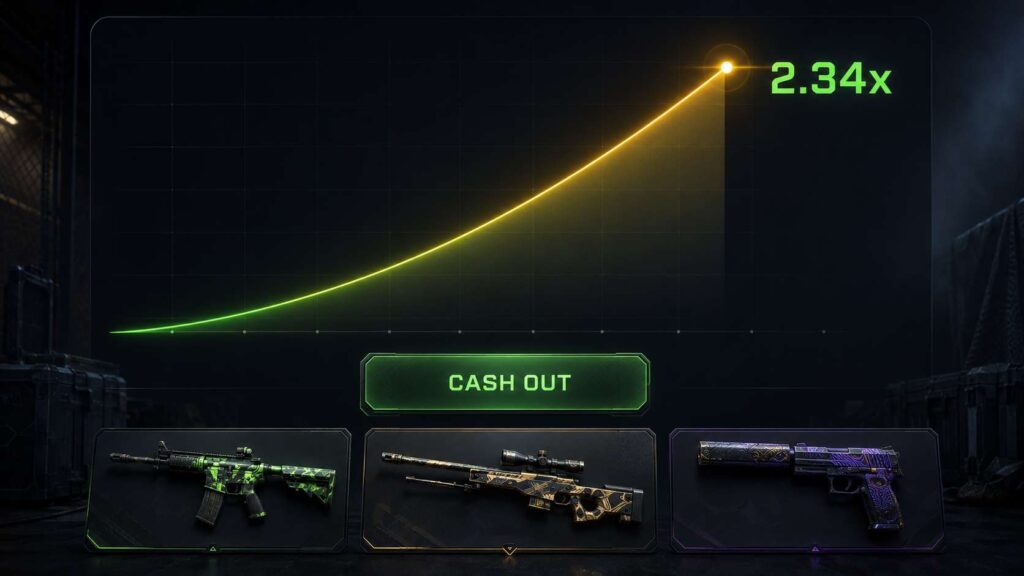
CS2 Crash is a multiplier game. Every round begins at 1.00x. The number then moves higher until the game suddenly stops or “crashes.” Players who cash out before that moment receive a payout based on the multiplier. Anyone still in the round loses the full stake.
For example, a $4 bet cashed out at 1.50x returns $6. That amount contains the original $4 stake, so the net gain is $2. If the round stops at 1.49x, the whole $4 bet is lost.
The format became popular for a few simple reasons:
- Rounds are short and easy to follow.
- The rising number creates tension.
- Manual and automatic cash-out options give players a choice.
- Several people can watch the same round at once.
- The basic rules take only a minute to learn.
There are two common versions. On skin gambling sites, users may deposit CS2 skins or change them into site coins. A crypto-first platform uses Bitcoin, Ethereum, stablecoins, or another digital currency. If you want to pay with a card and/or e-wallet, you can also find such options.
CS2 crash can feel interactive and like the one under control because the player chooses when to leave. That choice changes the payout, but it does not change the hidden stopping point. Several people can cash out at different moments during the same round. One player’s click does not make the game stop for everyone else.
The result does not depend on Counter-Strike skill, skin knowledge, or the results of earlier rounds. The CS2 theme mainly affects the deposit method, site design, and community. The crash point still comes from the game’s random system.
How a Crash Round Works
A normal round follows a short cycle – the buttons may look different from site to site, but the main steps stay similar.
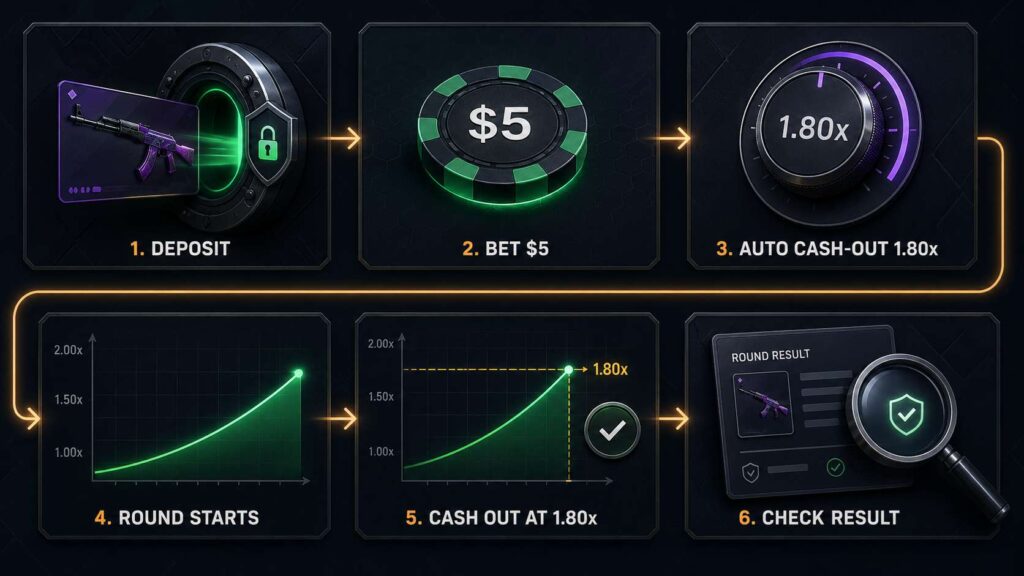
- Fund the balance. Add skins, crypto, a card payment, or another supported method. The site may change the deposit into coins or a dollar-style balance.
- Enter the stake. Choose how much to place on the next round. A countdown normally shows when betting closes.
- Choose a cash-out method. You can press the button yourself or set an automatic target. An auto cash-out at 1.70x tries to close the bet as soon as that number appears.
- Watch the multiplier. The round starts at 1.00x and moves upward. New bets cannot normally enter after the round begins.
- Cash out or wait. A successful CS2 crash cash-out locks the current multiplier. A player who misses the stopping point loses the stake.
- Check the result. A provably fair Crash game should provide the data needed to test the round after it ends.
Here is a simple example. A player bets $5 and chooses automatic cash-out at 1.80x. If the multiplier reaches 1.80x, the account receives $9. The real gain is $4 because the $9 return also contains the original $5. If the game crashes at 1.79x, the player loses $5.
Lower targets may be reached more often, but they pay less. High targets offer a larger possible return, yet the chance of reaching them is lower. Changing the target does not remove the house edge.
Network delays also make a big difference. A manual click may reach the server after the game has already stopped. Automatic cash-out can reduce reaction delay, but it cannot make an unsafe target safe or change the final crash point.
Why Crash Can Feel Easier Than It Is
What makes crash one of the most popular activities on dedicated sites is that it gives the player one visible decision: when to leave. This can make the game feel more skill-based than a slot or wheel. But the decision only chooses the payout point. The hidden crash point stays unchanged and you can’t predict it from that choice.
Several parts of the screen can create a false sense of control:
- Recent results. A row of low multipliers may look like a pattern. It says nothing about the next independent round.
- Near misses. Crashing just below a chosen target can feel like the player was almost right. In money terms, it is still a full loss.
- Public wins. Chat messages and large cash-outs show successful moments. They do not show each player’s full deposit and loss history.
- Automatic settings. Auto cash-out follows an instruction without reaction delay. The math behind the game stays the same.
- Fast rounds. A small stake may look harmless, but many rounds can fit into a short session. Ten $2 bets place $20 at risk, even if each click feels minor.
Even though you can’t control the random result, you can control the flow of the session. This is what will prevent you from spending more than expected.
What Makes a Good Crash Site
A polished home page says little about how a platform works when money is involved. But you can still find useful information in the legal pages, cashier, game rules, and account settings.
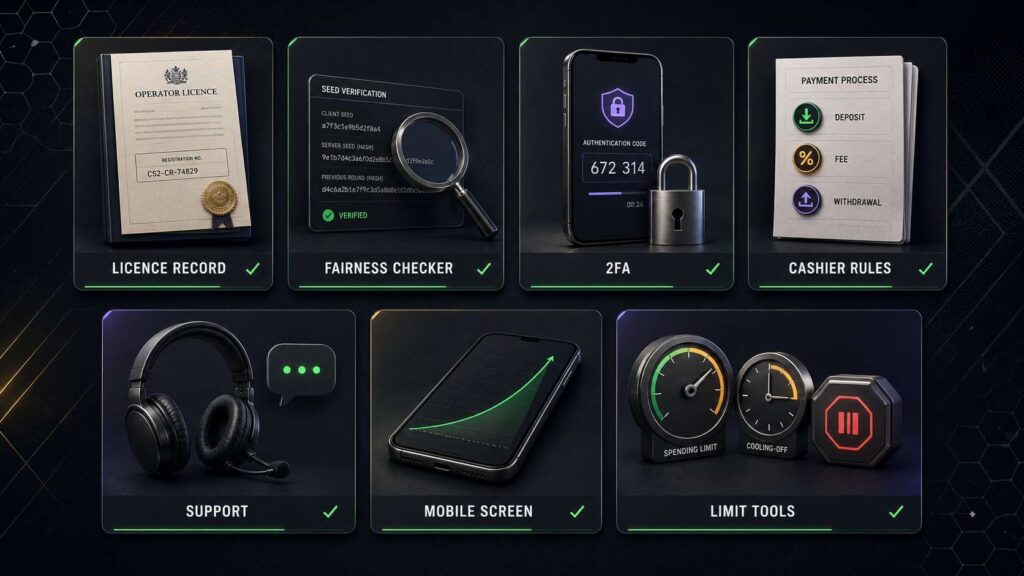
- Reputation. The footer should name the company behind the site. If a license is shown, open the regulator’s own register and match the domain, operator, number, and current status. Make sure that the platform operates legally and have all the necessary measures to protect its users.
- Working fairness checker. A short “provably fair” label is not enough. Look for a clear explanation of server seeds, client seeds, and the verification steps. Test the checker with a finished round.
- Account protection. Two-factor authentication adds another layer of security. Steam users should keep Steam Guard active and open trade offers only through the correct account.
- Honest payment information. Check deposit limits, conversion rates, network fees, and supported currencies. Skin values may differ from Steam prices or cash-market prices.
- Practical withdrawal rules. Most likely, you will want to withdraw your money. Find the minimum amount, expected processing time, identity checks, and any playthrough rule. The process should be smooth and hassle-free.
- Support that answers real questions. Ask about a fee or verification rule before depositing. A useful reply should answer the question directly, not send the same copied message each time.
- Good mobile use. Test the game on every device you plan to use during live play. The bet field, cash-out button, round history, and fairness link should remain easy to find on a small screen.
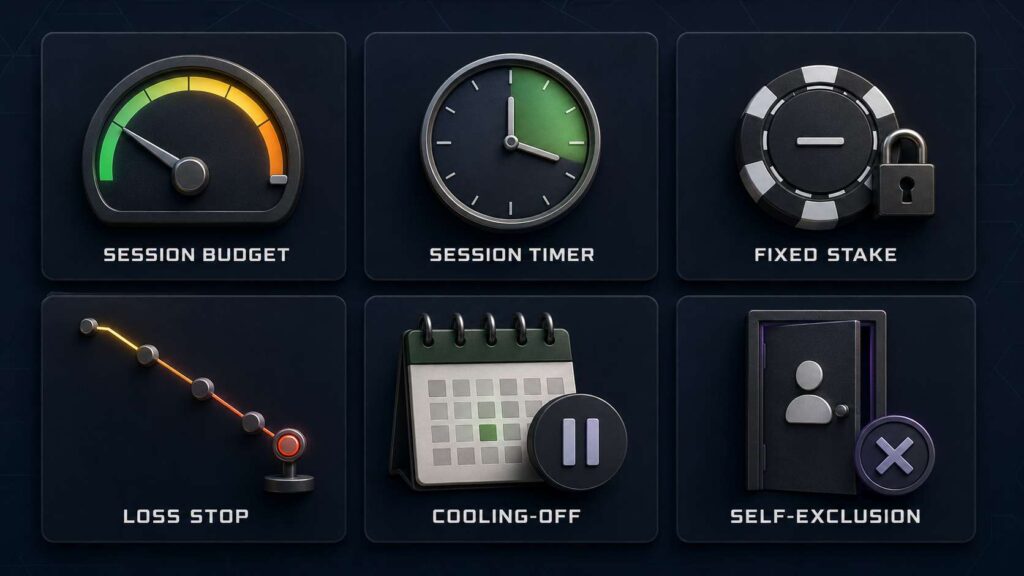
- Responsible gambling controls. Useful options cover loss limits, wager limits, session time, cooling-off, and self-exclusion. The platform should explain how long a limit lasts and whether support can remove it early.
- Readable bonus terms. A bonus can lock the deposit behind wagering rules or set a maximum bet. Check those conditions before accepting it.
Features and rules of a CS2 crash platform can change without much notice. Save the current terms or take screenshots of important limits before moving any value.
Before you top up your account, open the cashier, fairness page, limits, and terms in separate tabs. Pause if they show different company names or leave basic rules unanswered. If something feels off, just trust your gut and try another platform.
Best CS2 Crash Sites Compared
The word “best” needs context. One player may want CS2 skin deposits, while another only uses crypto. A site can have a good Crash interface and still provide weak licence information. For that reason, this comparison looks at facts instead of promo size.
| Platform | Game and payments | Public information | Check before use |
| Gamdom | Crash, cards, e-wallets, crypto, and Skinpay | Verifier, safer gambling page, and Smein Hosting N.V. named in the terms | Current regulatory status and local access |
| Shuffle | In-house Crash, crypto, cards, Apple Pay, and Google Pay | Verifier, limit tools, and Natural Nine B.V. named as operator | Payment support and country limits |
| PLG.BET | Crash with skins, crypto, cards, PayPal, gift cards, and Skinout | Provably fair page, safer gambling information, and CSGOPLG Limitada named in the terms | Current regulator record and withdrawal rules |
| CSGOLuck | Crash, skins, cards, gift cards, and crypto | Fairness and dispute pages; GG Technologies Limited named in the supplied data | Regulatory status, KYC, and cash-out terms |
| Cases.GG | Crash, cards, e-wallets, and crypto | SHA256-based verifier; CGG Entertainment Ltd named as operator | Regional access and withdrawal options |
On the information available, Shuffle provides the most direct license disclosure in this group. Gamdom publishes useful fairness and safer-play pages, but its regulator status still needs a current check. PLG.BET is a closer fit for skin users, although the license number was not easy to confirm. CSGOLuck and Cases.GG explain their game systems, yet both need more licensing research.
That summary is not a ranking or endorsement. The best CS2 Crash sites for a reader are the ones that are legal in that reader’s location, support the right payment route, and pass every important check today.
How to Choose the Right Crash Platform
Start with your own needs, then remove any site that fails the legal or safety checks. This keeps a temporary bonus from making the decision for you.
Ask these questions in order:
- Can I legally use this site? Check the law where you are physically located. Then read the operator’s blocked-country list.
- Can I verify the company and license? The name in the terms should match the regulator record. A license from another country may offer limited help in a local dispute.
- How do I want to deposit? A player with a skin inventory needs a different platform from someone using USDT or a bank card. Check which routes also work for withdrawals.
- What does one-site coin mean? Convert the deposit, stake, payout, and withdrawal back into a familiar currency. This shows the real cost.
- Can I test the game before risking much? Some platforms have free-play or very small bet options. A small test also helps you learn the interface.
- Does the mobile layout work well? The cash-out button must stay visible and easy to press. Poor design can be costly in a fast round.
- Which limits can I set? Pick a site with controls that match your plan. A written self-exclusion process is especially important.
- What happens during withdrawal? Read about KYC, minimums, network fees, skin trade times, and bonus playthrough.
A promotion belongs at the end of this list. It should never make up for missing company details, a weak fairness page, or unclear withdrawal rules.
Tips for Playing CS2 Crash Responsibly
Crash moves quickly, so the spending plan needs to exist before the first countdown begins. Making rules during a losing session is much harder.
- Choose the full cost of the session first. Think of this amount as payment for entertainment. It must not come from rent, food, bills, debt, or savings.
- Use the same small stake. A stable amount makes the total easier to follow. Raising the bet after a loss only puts more money into another random round.
- Set two stop points. One should limit money, and the other should limit time. Stop when either point is reached.
- Keep the cash-out target separate from the stake. A low target can still cause losses, and a high target does not become more likely after several short rounds.
- Use automatic cash-out for timing, not as a winning system. It can remove reaction delay. It cannot reduce the built-in house edge.
- Turn off extra pressure. Fast music, public chat, and large-win messages may push people to continue. Lower the sound or close the chat if it affects decisions.
- Do not play with borrowed funds or valuable personal skins. A rare item may feel less real than cash, but losing it still removes value from the inventory.
- Review the session afterward. Note the amount deposited, amount withdrawn, time spent, and any broken limit. This gives a more honest picture than memory.
Crash gambling should never become a way to fix money problems. If a session is hard to stop, use a cooling-off or self-exclusion option and contact a gambling-support service in your country.
Common Mistakes New Players Make
The moving line can make Crash feel like a game of timing. In reality, the crash point is not controlled by the player.
- Looking for patterns in the history. Five low results do not make a high multiplier due. Every round uses a new result.
- Waiting for the last possible moment. Manual cash-out takes time to reach the server. A small delay can turn a planned exit into a lost bet.
- Thinking 1.20x is guaranteed. Crash may stop very close to 1.00x. A low target can lose too.
- Confusing return with profit. A $10 bet closed at 1.50x returns $15, but the gain is $5, not $15.
- Using most of the balance at once. One short round can end the whole session.
- Following prediction bots. A tool that promises the next crash point is not reading a future random result. Such offers may also hide phishing or malware.
- Forgetting conversion costs. Skin pricing, crypto network fees, and withdrawal minimums can change the final value.
- Activating a bonus too quickly. Wagering rules may limit cash-out or set a maximum bet. Read the full conditions first.
Take a moment to check the stake, target, and remaining session budget before each round. If the game starts to feel rushed or difficult to stop, close it and take a break.
Understanding Provably Fair Technology in Crash Games
A provably fair Crash system lets a player test whether the published process created the result. The exact formula changes by platform, but many systems use three main values.
- Server seed. The operator creates a secret random value. Before the round, the site normally shows its hash. A hash protects the seed while giving the operator a value it cannot easily change later.
- Client seed. This comes from the player’s browser or another outside source. Some games allow the player to change it.
- Nonce. This is a round counter. It normally rises by one after every bet made with the same seed pair.
The game combines these values through a cryptographic formula. The output is then changed into the crash multiplier. Once the server seed is revealed, the player can enter the same data into a verifier. The checker should produce the same result shown in the game.
Social Crash games may use another model. Cases.GG, for example, publishes a chain of SHA256 hashes and uses a Bitcoin block hash as the client seed. A player can open a result from the recent history, copy both values, and run them through the site’s Crash verifier.
Before trusting any checker, read the method and test a finished result yourself. If the site hides the inputs or gives no working verifier, the “provably fair” label has little practical value.